


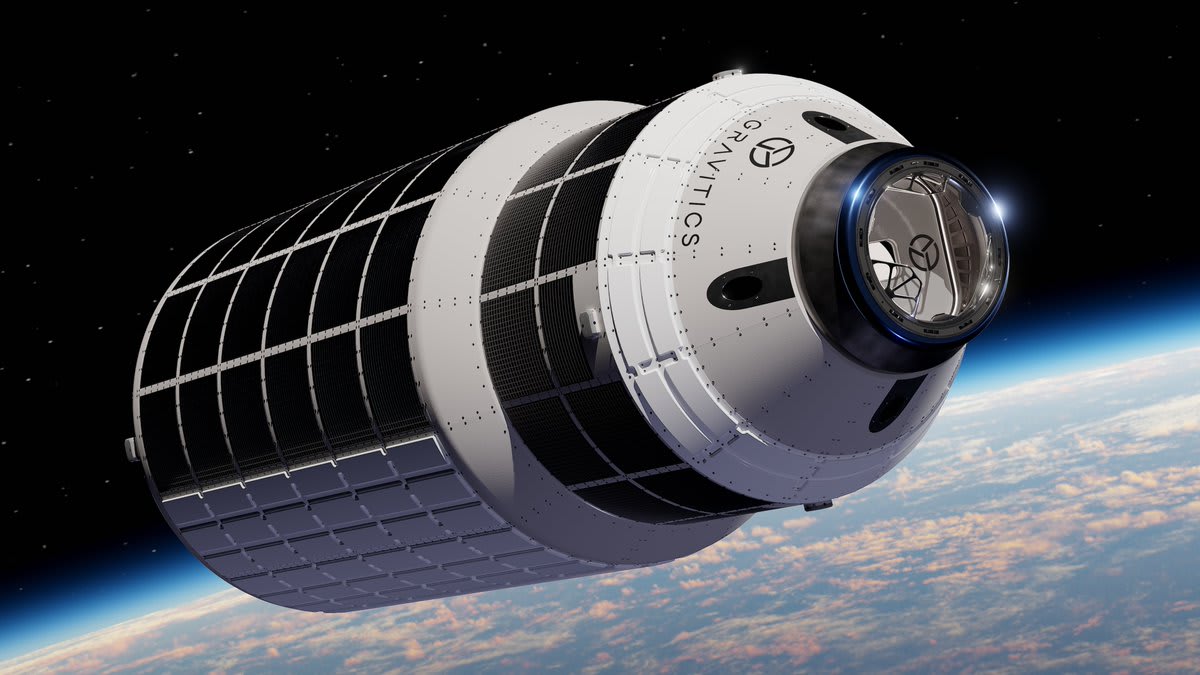
Space Force Orbital Warship Carrier: The Future of Military Power in Orbit
The idea of a space force orbital warship carrier has rapidly moved from science fiction into serious strategic discussion. As space becomes a contested domain alongside land, sea, air, and cyberspace, military planners are rethinking how power might be projected beyond Earth. An orbital warship carrier—conceptually similar to a naval aircraft carrier—represents one of the most ambitious visions for space security and defense.
In this in-depth guide, we’ll explore what a space force orbital warship carrier is, why it matters, how it might function, and what its development could mean for global security, technology, and international law. This article is written for readers seeking clear, informed, and forward-looking insight into the future of space-based defense systems.
What Is a Space Force Orbital Warship Carrier?
A space force orbital warship carrier is a theoretical large-scale spacecraft designed to operate in Earth orbit or nearby space while deploying, supporting, and coordinating smaller military spacecraft. Much like an aircraft carrier at sea, it would function as a mobile command and support platform rather than a single-purpose weapon.
Such a carrier would likely serve as:
-
A central command and control hub
-
A deployment platform for smaller orbital vehicles
-
A logistics and maintenance base in space
Unlike traditional satellites, a space force orbital warship carrier would be maneuverable, persistent, and adaptable to multiple mission types. At present, this concept exists primarily in strategic planning discussions and defense research rather than active deployment.
Why the Space Domain Is Becoming Militarily Critical
Space has become essential to modern civilization. Communications, navigation, intelligence gathering, financial systems, and weather forecasting all rely heavily on space-based infrastructure. As dependence grows, so does vulnerability.
The growing interest in a space force orbital warship carrier stems from several realities:
-
Satellites are increasingly vulnerable to disruption
-
Orbital space is becoming crowded and contested
-
Military competition is expanding beyond Earth
Protecting space assets is no longer optional. A carrier-based orbital platform could offer coordination, protection, and rapid response capabilities that current satellite networks lack.
Conceptual Design of an Orbital Warship Carrier
Size and Modular Construction
A space force orbital warship carrier would likely be massive compared to existing spacecraft. To make construction feasible, it would almost certainly be built using modular components assembled in orbit.
Possible design characteristics include:
-
Interchangeable modules for operations and support
-
Docking bays for multiple spacecraft
-
Reinforced shielding for electronics and crew safety
The design emphasis would be survivability and flexibility rather than offensive dominance.
Command and Control Systems
At its core, the carrier would function as a space-based command center. Advanced sensors, secure communications, and automated systems would allow continuous monitoring of orbital activity.
This would enable:
-
Faster decision-making
-
Improved coordination of space assets
-
Persistent situational awareness
Such capabilities align closely with modern military priorities focused on information superiority.
Strategic Roles and Missions
A space force orbital warship carrier would serve multiple strategic purposes beyond direct conflict.
Defensive Operations
The primary role would likely be defensive. Coordinating patrol and inspection spacecraft could help protect key satellites and deter hostile actions without escalating conflict.
Deterrence Through Presence
Just as naval carriers project power through visibility, an orbital carrier could act as a deterrent simply by existing. Its presence could discourage aggressive behavior in space.
Support and Logistics
In-orbit repair, refueling, and system upgrades could significantly extend the operational life of expensive space assets. This support role alone could justify the platform’s existence.
Technology Enablers Making It Plausible
Although ambitious, the space force orbital warship carrier concept is supported by several emerging technologies.
Reusable Launch Vehicles
Reusable launch systems have dramatically lowered the cost of sending material into orbit, making large-scale space infrastructure more realistic than in the past.
Autonomous Operations
Artificial intelligence and autonomous control systems would reduce crew requirements and enable continuous operations over long periods.
Advanced Power and Propulsion
High-efficiency solar arrays, improved energy storage, and experimental propulsion systems could support long-duration missions and maneuverability in orbit.
Challenges, Risks, and Ethical Concerns
Despite its potential advantages, the concept faces serious obstacles.
Financial and Technical Barriers
Developing a space force orbital warship carrier would require massive investment and long-term political commitment. Technical failures could be costly and highly visible.
Orbital Safety and Debris
Large structures increase collision risk. Any accident could generate debris that threatens civilian, commercial, and scientific space activities.
Legal and Ethical Questions
International agreements emphasize peaceful use of space. Even defensive military platforms raise concerns about escalation and long-term sustainability of the space environment.
How This Fits into Current Space Force Doctrine
Current space defense doctrine emphasizes resilience, deterrence, and protection of space-based assets rather than overt weaponization. Distributed systems and redundancy remain key priorities.
A space force orbital warship carrier would likely represent a long-term evolution rather than a near-term shift. It could complement existing strategies by providing coordination and support rather than replacing current systems.
The Future Outlook for Orbital Warship Carriers
The space force orbital warship carrier remains a forward-looking concept, but its underlying ideas are already shaping space policy and military planning.
Future developments may include:
-
Expanded in-orbit servicing capabilities
-
Increased focus on space situational awareness
-
Gradual normalization of military support infrastructure in space
Even if a full-scale carrier is never built, its influence on strategic thinking is already significant.
Frequently Asked Questions
1. Does a space force orbital warship carrier exist today?
No. The concept is theoretical and discussed mainly in strategic and academic contexts.
2. Is it meant to be an offensive weapon?
Primarily no. Most discussions emphasize defense, coordination, and support rather than direct combat.
3. How is it different from a space station?
A space force orbital warship carrier would be mobile, military-focused, and designed for command and deployment rather than research.
4. Could it operate near the Moon?
In theory, yes. Future designs could extend operations into cislunar space.
5. Why is interest increasing now?
Growing reliance on space infrastructure and rising geopolitical competition have made space security a higher priority.
Conclusion
The space force orbital warship carrier represents a bold vision of how military power and security might evolve beyond Earth. Whether it remains a concept or becomes reality, it reflects the growing importance of space in global strategy.
As humanity moves deeper into the space age, understanding these ideas is critical for informed discussion and responsible decision-making.
What’s your view on military platforms in space?
Share your thoughts, start a discussion, and stay engaged with future-focused analysis on space and defense technology.
