


Ceramic Teeth Cap: A Comprehensive Guide to Restoring Your Smile
When it comes to dental aesthetics and functionality, a ceramic teeth cap can be a game-changer. Whether you’re dealing with a chipped tooth, a cracked molar, or simply want to enhance the appearance of your smile, ceramic caps offer a durable, natural-looking solution. In this guide, we’ll explore everything you need to know about ceramic teeth caps, from their benefits to the procedure involved and the aftercare needed for long-lasting results.
What is a Ceramic Teeth Cap?
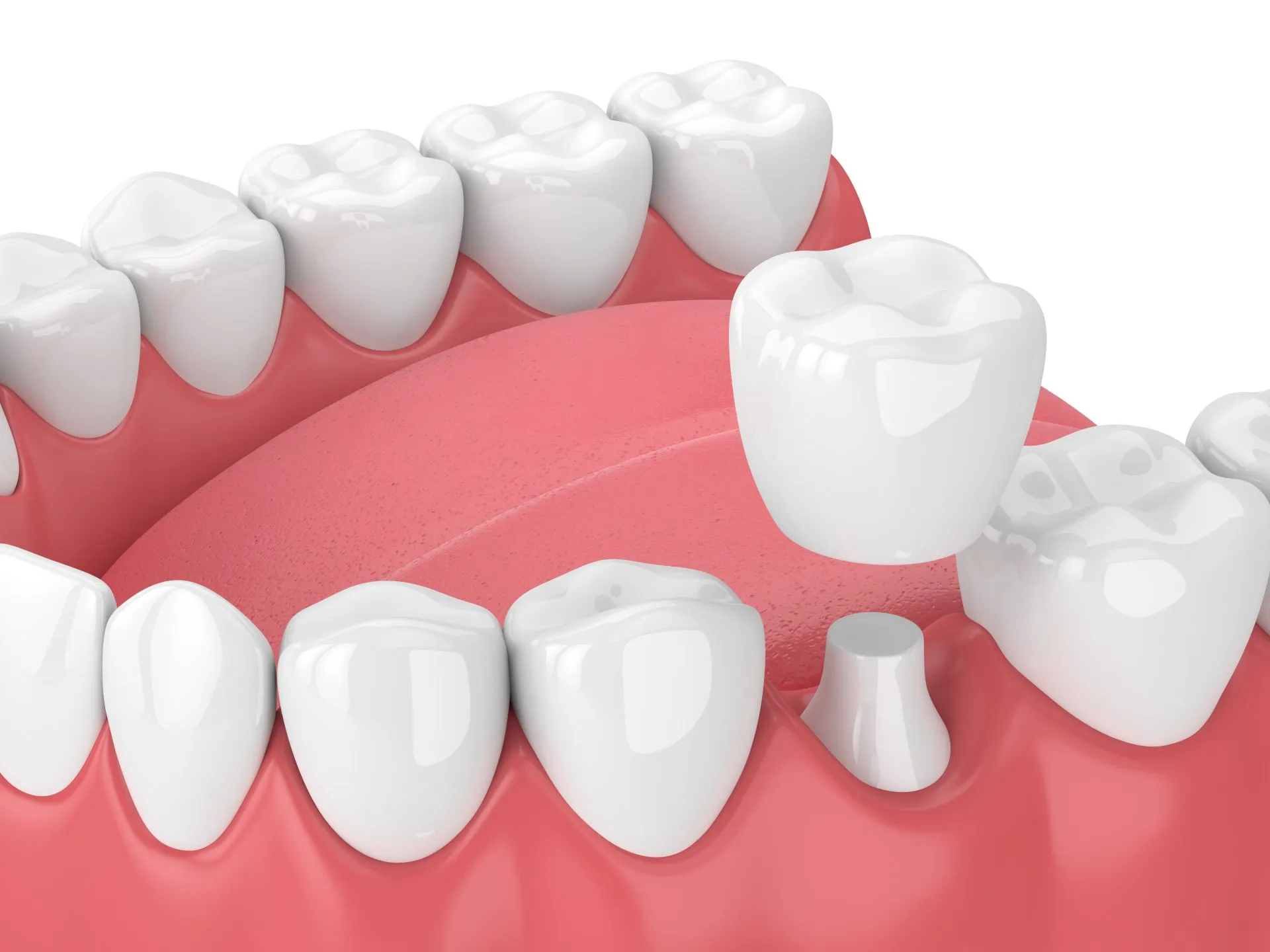
A ceramic teeth cap, commonly known as a dental crown, is a custom-made cap that fits over a damaged tooth to restore its original shape, size, and strength. Ceramic crowns are highly popular due to their natural appearance, as they closely mimic the translucency and color of natural teeth. These caps are ideal for patients seeking a blend of functionality and aesthetics.
Ceramic teeth caps are typically made from a type of dental porcelain that is both durable and resistant to staining, making them an excellent choice for restoring teeth in both visible and hidden areas of the mouth. The process of getting a ceramic cap involves a few key steps, including preparation, molding, and placement. Let’s dive deeper into the details.
Benefits of Ceramic Teeth Caps
Ceramic teeth caps provide numerous advantages that make them a preferred choice for many dental patients. Here are some of the key benefits:
1. Aesthetics and Natural Appearance
One of the main reasons people choose ceramic crowns is their natural look. Ceramic material can be custom-shaded to match the color of your natural teeth. Unlike other dental materials, such as metal, ceramic provides a translucent quality that mimics the appearance of real teeth. This makes ceramic crowns especially popular for front teeth, where appearance matters most.
2. Durability and Strength
Despite their natural look, ceramic caps are incredibly durable. When properly cared for, ceramic crowns can last anywhere from 10 to 15 years, making them a long-term solution for damaged teeth. Ceramic material is resistant to wear and tear, meaning it can withstand the forces of biting and chewing.
3. Biocompatibility
Ceramic is a biocompatible material, meaning it’s unlikely to cause allergic reactions or other adverse effects in the body. This makes ceramic crowns a safe option for most patients, even those with sensitivities to metals.
4. Stain Resistance
Ceramic caps are highly resistant to stains, which is especially important if you enjoy coffee, tea, or wine. The material doesn’t absorb pigments from food and drinks like other dental materials, helping your smile stay bright and vibrant.
5. Minimal Tooth Reduction
Compared to metal crowns, ceramic crowns require less tooth reduction during the preparation phase. This means that your natural tooth structure is preserved as much as possible, reducing the need for extensive drilling or alteration of the tooth.
How Ceramic Teeth Caps are Made
The process of getting a ceramic teeth cap is a multi-step procedure that involves both your dentist and a dental laboratory. Here’s a breakdown of the process:
Initial Consultation and Examination
Your journey towards a ceramic teeth cap begins with an initial consultation. During this visit, your dentist will evaluate the condition of your teeth and determine whether a crown is necessary. If a crown is recommended, your dentist will take X-rays and possibly create molds of your teeth.
Tooth Preparation
Before placing the crown, the damaged tooth must be prepared. This involves removing any decayed or weakened portions of the tooth, shaping the tooth to fit the crown, and taking an impression of the prepared tooth. In some cases, a temporary crown may be placed while your permanent ceramic cap is being created.
Custom Fabrication of the Crown
Once the tooth is prepared, the impression is sent to a dental laboratory where skilled technicians craft a custom ceramic crown to fit your tooth. The crown is shaped, stained, and glazed to ensure it matches the size, shape, and color of your natural teeth.
Placement of the Ceramic Cap
When the custom ceramic crown is ready, you’ll return to your dentist’s office for the placement. Your dentist will carefully position the crown over the prepared tooth, check for proper fit and bite, and make any necessary adjustments. Once satisfied with the fit, the crown is permanently bonded to your tooth.
Types of Ceramic Teeth Caps
Ceramic crowns come in different types, depending on the material used and the specific needs of the patient. Some of the most common types include:
All-Ceramic Crowns
All-ceramic crowns are made entirely from dental porcelain and are known for their superior aesthetics. These crowns are ideal for front teeth or visible areas of the mouth, as they offer a natural look with excellent translucency.
Porcelain-Fused-to-Metal Crowns (PFM)
Porcelain-fused-to-metal crowns have a metal base covered with a layer of porcelain. While they are durable, they don’t offer the same level of aesthetics as all-ceramic crowns. PFM crowns are typically used for back teeth where strength is more important than appearance.
Zirconia Crowns
Zirconia crowns are made from a strong, durable ceramic material known as zirconium oxide. These crowns are often used for patients who need extra strength, especially for molars that undergo heavy biting forces. Zirconia crowns combine durability with a natural appearance.
Caring for Your Ceramic Teeth Cap
Taking care of your ceramic teeth cap is essential for ensuring its longevity and maintaining optimal oral health. Here are some tips for proper aftercare:
Practice Good Oral Hygiene
Brush your teeth twice a day with fluoride toothpaste and floss daily to prevent plaque buildup around the crown. Regular brushing and flossing will also help protect the surrounding teeth and gums.
Avoid Hard or Sticky Foods
While ceramic crowns are durable, it’s still important to avoid biting into hard objects, such as ice or hard candies, as these could cause the crown to crack or chip. Sticky foods like caramel can also pull at the edges of the crown, potentially dislodging it.
Regular Dental Checkups
Visiting your dentist regularly is crucial for monitoring the health of your crown and your overall oral health. Your dentist will check for any signs of wear or damage to the ceramic cap and provide professional cleaning to keep your teeth in top condition.
Potential Risks and Considerations
While ceramic teeth caps offer many benefits, there are some potential risks and considerations to keep in mind:
Sensitivity
After the crown is placed, you may experience some temporary tooth sensitivity to hot or cold foods and drinks. This is usually short-lived and will resolve as your tooth adjusts to the new crown.
Risk of Damage
While ceramic crowns are strong, they can still break or chip if subjected to excessive force. It’s important to avoid habits like grinding your teeth or biting down on hard objects that could damage the cap.
Cost
Ceramic crowns can be more expensive than other types of dental restorations, such as metal crowns. However, the long-lasting durability and aesthetic appeal of ceramic caps make them a worthwhile investment for many patients.
Conclusion
A ceramic teeth cap is an excellent solution for individuals looking to restore the functionality and appearance of their damaged teeth. With their natural look, durability, and biocompatibility, ceramic crowns offer both aesthetic and practical benefits. Whether you need a crown for a front tooth or a molar, the advanced technology behind ceramic dental crowns ensures that your smile remains strong and beautiful for many years to come.
If you’re considering getting a ceramic teeth cap, consult with a trusted dental professional to determine if it’s the right option for your needs.
FAQ
1. How long do ceramic teeth caps last?
Ceramic teeth caps can last between 10 and 15 years with proper care, making them a durable and long-lasting solution for dental restoration.
2. Are ceramic crowns better than metal crowns?
Ceramic crowns are often preferred for their aesthetic appearance, especially for visible teeth. They blend well with natural teeth and are less likely to cause allergic reactions compared to metal crowns.
3. Can I eat normally with a ceramic teeth cap?
Yes, you can eat normally with a ceramic crown. However, it’s important to avoid hard or sticky foods that could damage the crown.
4. Is the process of getting a ceramic cap painful?
The process of getting a ceramic cap is generally not painful. Local anesthesia is used to numb the area, and you may experience some sensitivity afterward, which is typically temporary.
5. How much do ceramic teeth caps cost?
The cost of ceramic teeth caps can vary depending on the dentist, location, and the type of crown chosen. On average, ceramic crowns can range from $800 to $2,500 per tooth.
