


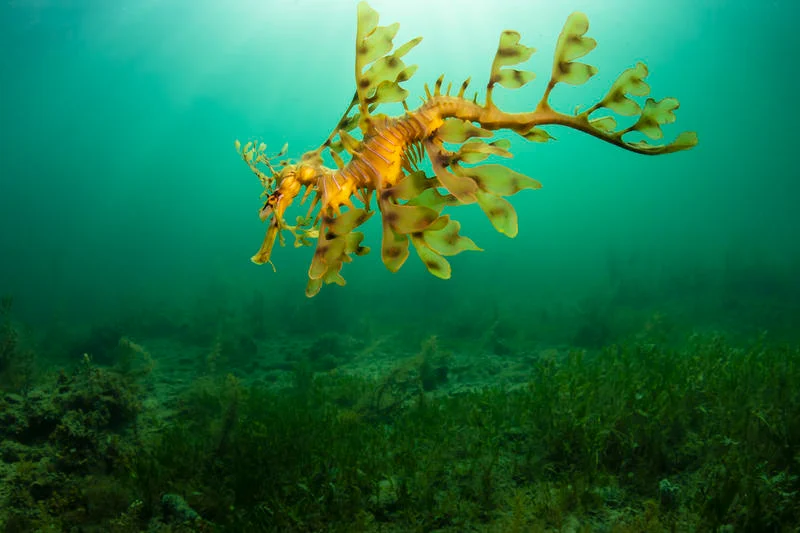
Giant Kelp Forests of the Great Southern Reef: Australia’s Hidden Ocean Wonder
The giant kelp forests of the Great Southern Reef are one of Australia’s most extraordinary yet least understood natural treasures. Stretching along the southern coastline, these underwater forests form a living, breathing ecosystem that rivals tropical coral reefs in productivity and ecological importance. While coral reefs often steal the spotlight, the giant kelp forests of the Great Southern Reef quietly support fisheries, protect coastlines, and store vast amounts of carbon, making them essential to both marine life and human communities.
This article explores the giant kelp forests of the Great Southern Reef in depth, uncovering their biology, history, ecological value, cultural relevance, and uncertain future. If you are searching for detailed, trustworthy, and engaging information about this remarkable marine ecosystem, you are in the right place.
Understanding the Great Southern Reef and Its Giant Kelp Forests
The giant kelp forests of the Great Southern Reef form a continuous temperate reef system that runs from Western Australia, across South Australia and Victoria, and down to Tasmania and New South Wales. Unlike tropical reefs built by coral, the Great Southern Reef is dominated by seaweeds, with giant kelp acting as the tallest and most influential species in these underwater landscapes.
Giant kelp can grow up to half a meter per day under the right conditions, forming dense canopies that rise from the seafloor to the ocean surface. These towering structures define the character of the giant kelp forests of the Great Southern Reef and create habitat complexity that supports thousands of marine species. Fish, crustaceans, mollusks, and microorganisms all depend on kelp forests for food, shelter, and breeding grounds.
The Great Southern Reef remains relatively unknown outside Australia, yet it supports a significant proportion of the nation’s marine biodiversity. According to research shared by Australian Geographic and marine science institutions, more than seventy percent of Australia’s fish species live at some stage of their life within this reef system. The giant kelp forests of the Great Southern Reef are central to that diversity.
The Biology Behind Giant Kelp Forests of the Great Southern Reef
To understand the giant kelp forests of the Great Southern Reef, it helps to look closely at the biology of giant kelp itself. Giant kelp is a brown macroalga that thrives in cold, nutrient-rich waters. It anchors to rocky seabeds using a structure called a holdfast, which grips the rock without penetrating it. From there, long, flexible stalks rise upward, supporting leaf-like blades that capture sunlight.
Photosynthesis powers the rapid growth of giant kelp forests of the Great Southern Reef, allowing them to convert sunlight and dissolved nutrients into biomass at remarkable rates. This productivity fuels entire food webs. When kelp blades break off naturally, they drift away and become food for deep-sea organisms or wash up on beaches, where they nourish coastal ecosystems.
The seasonal cycles of giant kelp forests of the Great Southern Reef are also important. Growth typically accelerates during cooler months when nutrient levels are highest. During warmer periods, stress from higher water temperatures can slow growth or cause die-offs, making these forests sensitive indicators of environmental change.
Why Giant Kelp Forests of the Great Southern Reef Matter Ecologically
The ecological importance of the giant kelp forests of the Great Southern Reef cannot be overstated. These forests function as ecosystem engineers, meaning they actively shape their environment in ways that benefit many other species. By slowing water movement, kelp forests create calmer conditions that allow larvae and juvenile fish to survive. This nursery function supports commercial fisheries that coastal communities depend on.
Giant kelp forests of the Great Southern Reef also play a role in climate regulation. Through photosynthesis, kelp absorbs carbon dioxide from seawater. Some of this carbon is eventually transported to deep ocean sediments, effectively locking it away for long periods. Scientists studying blue carbon increasingly recognize kelp forests as valuable allies in climate change mitigation.
Another key benefit of the giant kelp forests of the Great Southern Reef is coastal protection. Dense kelp beds reduce wave energy before it reaches shorelines, helping to limit erosion during storms. This natural defense becomes increasingly important as sea levels rise and extreme weather events become more frequent.
Cultural and Economic Connections to Giant Kelp Forests
For thousands of years, Indigenous Australians have maintained deep connections with the southern seas. The giant kelp forests of the Great Southern Reef feature prominently in cultural traditions, stories, and sustainable harvesting practices. In some regions, giant kelp was historically used to make water carriers, fishing lines, and tools, highlighting its importance beyond ecology.
In modern times, the giant kelp forests of the Great Southern Reef continue to support coastal economies. Fisheries targeting species such as abalone, rock lobster, and various finfish rely on healthy kelp habitats. Recreational activities including diving, snorkeling, and eco-tourism also benefit from vibrant kelp forests, bringing income to regional communities.
Scientific research and education are growing economic contributors as well. Universities and marine research centers attract funding and talent to study the giant kelp forests of the Great Southern Reef, positioning Australia as a global leader in temperate reef science. Resources from organizations like the CSIRO and the Australian Institute of Marine Science provide valuable external insights into these ecosystems.
Threats Facing the Giant Kelp Forests of the Great Southern Reef
Despite their resilience, the giant kelp forests of the Great Southern Reef face serious threats. Climate change is the most significant challenge, particularly ocean warming. Rising sea temperatures reduce nutrient availability and increase stress on kelp, making it harder for forests to recover after disturbances.
Marine heatwaves have already caused dramatic declines in some regions, especially along Tasmania’s east coast. Invasive species, such as grazing sea urchins, further compound the problem by consuming kelp faster than it can regrow. When kelp forests disappear, they are often replaced by barren seafloors with far less biodiversity.
Pollution and coastal development also threaten the giant kelp forests of the Great Southern Reef. Runoff carrying sediments and nutrients can reduce water clarity, limiting the sunlight kelp needs to grow. Overfishing of predators that control herbivores disrupts ecological balance, increasing pressure on kelp forests.
Conservation and Restoration of Giant Kelp Forests
Protecting the giant kelp forests of the Great Southern Reef requires a combination of science-based management, community involvement, and policy support. Marine protected areas play a crucial role by limiting destructive activities and allowing ecosystems to recover naturally. Ongoing monitoring helps scientists track changes and identify areas most in need of intervention.
Restoration projects are gaining momentum across southern Australia. Researchers are experimenting with kelp seeding, transplantation, and selective breeding of heat-tolerant kelp strains. These efforts aim to rebuild giant kelp forests of the Great Southern Reef in areas where they have been lost, while also improving resilience to future climate impacts.
Public awareness is equally important. Many Australians are unaware that the giant kelp forests of the Great Southern Reef exist at all. Educational initiatives, documentaries, and digital content help bridge that gap, encouraging people to support conservation efforts and make informed choices that reduce environmental harm.
The Future of the Giant Kelp Forests of the Great Southern Reef
The future of the giant kelp forests of the Great Southern Reef is still being written. While the challenges are significant, there is reason for cautious optimism. Scientific understanding of kelp ecosystems has grown rapidly, and innovative conservation strategies are showing promise.
Global recognition of temperate reefs is increasing, placing the giant kelp forests of the Great Southern Reef on the international conservation agenda. Collaboration between scientists, Indigenous communities, policymakers, and local stakeholders strengthens the chances of long-term success.
Ultimately, the survival of the giant kelp forests of the Great Southern Reef depends on broader action to address climate change. Reducing greenhouse gas emissions, protecting marine habitats, and supporting sustainable coastal practices will determine whether these underwater forests continue to thrive for future generations.
Conclusion: Why the Giant Kelp Forests of the Great Southern Reef Deserve Attention
The giant kelp forests of the Great Southern Reef are a cornerstone of Australia’s marine environment. They support biodiversity, sustain livelihoods, protect coastlines, and contribute to climate stability. Yet they remain vulnerable and underappreciated.
By learning about the giant kelp forests of the Great Southern Reef and sharing that knowledge, we take an important step toward their protection. These forests are not just underwater plants; they are living systems that connect ocean health to human wellbeing. Preserving them is an investment in Australia’s environmental and cultural future.
Frequently Asked Questions About Giant Kelp Forests of the Great Southern Reef
What makes the giant kelp forests of the Great Southern Reef unique
The giant kelp forests of the Great Southern Reef are unique because they form one of the largest temperate reef systems on Earth. Unlike coral reefs, they are dominated by fast-growing kelp that creates towering underwater forests supporting exceptional biodiversity.
Where can the giant kelp forests of the Great Southern Reef be found
The giant kelp forests of the Great Southern Reef are found along Australia’s southern coastline, spanning Western Australia, South Australia, Victoria, Tasmania, and parts of New South Wales in cool, nutrient-rich waters.
Why are the giant kelp forests of the Great Southern Reef important for climate
These forests help absorb carbon dioxide through photosynthesis and can store carbon in deep ocean systems. This makes the giant kelp forests of the Great Southern Reef an important natural tool in reducing the impacts of climate change.
Are the giant kelp forests of the Great Southern Reef endangered
Many areas of the giant kelp forests of the Great Southern Reef have declined due to warming oceans, invasive species, and human pressures. While not extinct, they are considered vulnerable and in need of active conservation.
How can individuals help protect the giant kelp forests of the Great Southern Reef
Individuals can help by supporting marine conservation initiatives, reducing carbon footprints, choosing sustainable seafood, and spreading awareness about the importance of the giant kelp forests of the Great Southern Reef.
