


In the vast landscape of the internet, trust is the most valuable currency a business can hold. When a customer lands on your website, they make a split-second decision about whether it feels safe. Are they willing to hand over their credit card information? Do they trust you with their personal data? While basic security measures are standard, one tool stands out for organizations that need to prove their legitimacy beyond a shadow of a doubt: the EV SSL certificate.
This article explores exactly what Extended Validation (EV) means for your website security. We will break down how it works, why it offers superior protection against fraud, and how it differs from the standard certificates used by millions of generic sites. By the end, you will understand why upgrading to an EV SSL certificate might be the most important digital investment you make this year.
What Is an EV SSL Certificate?
An EV SSL certificate, or Extended Validation Secure Sockets Layer certificate, represents the highest standard of trust and security available for websites. Like all SSL certificates, it encrypts the communication between a user’s web browser and your server, ensuring that sensitive data—such as passwords and payment details—cannot be intercepted by hackers.
However, the “Extended Validation” part is what makes this certificate unique. Unlike basic certificates that only verify domain ownership, an EV certificate requires a rigorous vetting process. A Certificate Authority (CA) must validate the legal existence, physical location, and operational status of the entity requesting the certificate. This deep background check ensures that the website doesn’t just belong to someone, but to a legitimate, verified organization.
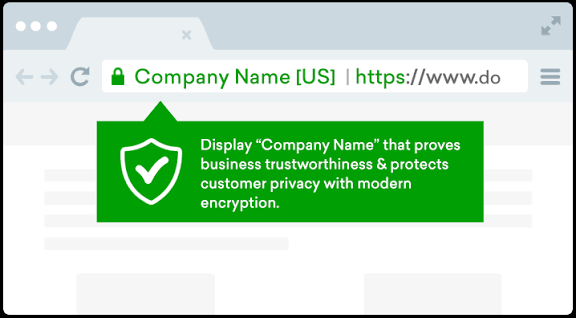
When you install an EV SSL certificate, you aren’t just securing data; you are proving your identity. Browsers recognize this higher level of validation and often display specific trust indicators, such as the company’s name in the certificate details, which signals to users that they are on an authentic site, not a phishing copycat.
Key Benefits of Using an EV SSL Certificate
Why go through the extra steps to get extended validation? The benefits directly impact your brand reputation and your bottom line.
- Maximum Credibility and Trust
The primary advantage is the immediate boost in credibility. In an era where online scams are rampant, customers are wary. An EV SSL certificate acts as a digital ID card that has been verified by a third party. It tells your visitors, “We are who we say we are.” This transparency is crucial for converting hesitant visitors into confident buyers.
- Protection Against Phishing Attacks
Phishing attacks often involve criminals creating fake websites that look identical to real ones (like a fake banking login page). Because obtaining a basic SSL certificate is easy and automated, fraudsters use them on these fake sites to make them look secure. However, they cannot get an EV SSL certificate because they cannot pass the strict identity verification checks. This makes it much harder for attackers to impersonate your brand successfully.
- Improved Conversion Rates
Trust leads to action. Studies and case studies consistently show that visible trust indicators can improve conversion rates. When users see that a site has undergone rigorous vetting, friction is reduced. They are more likely to complete a purchase, fill out a form, or sign up for a service when they feel their data is in safe hands.
How It Differs from Other SSL Certificates
To understand the value of an EV certificate, it helps to compare it to the other two main types of SSL certificates: Domain Validation (DV) and Organization Validation (OV).
- Domain Validation (DV): These are the most common and least expensive certificates. The vetting process is automated and only checks if the applicant owns the domain name. It offers encryption but zero identity assurance. A hacker can easily get a DV certificate for a scam site.
- Organization Validation (OV): This offers a middle ground. The CA performs some manual checks to verify the organization exists. It is more secure than DV but less rigorous than EV.
- Extended Validation (EV): This is the gold standard. The validation process is strict and follows global guidelines set by the CA/Browser Forum. The CA checks government databases, third-party sources, and even makes direct contact with the organization. This comprehensive vetting is why an EV SSL certificate carries so much more weight than DV or OV options.
Why Businesses Should Consider It
For a personal blog or a simple informational portfolio, a standard DV certificate is likely sufficient. However, for established businesses, the stakes are different.
If your website processes payments, handles medical records, manages user logins, or deals with any form of sensitive intellectual property, you are a target for cybercriminals. An EV SSL certificate is essential for:
- E-commerce Stores: To prevent cart abandonment due to security fears.
- Financial Institutions: Banks, credit unions, and insurance firms where trust is non-negotiable.
- Large Enterprises: To protect brand integrity and prevent corporate impersonation.
- Government Agencies: To ensure citizens know they are accessing official services.
Investing in EV is not just a technical decision; it is a branding decision. It demonstrates that your company is willing to go the extra mile to ensure the safety and security of its customers.
Conclusion
In a digital world overflowing with anonymity, proving your identity is a powerful differentiator. An EV SSL certificate offers more than just encryption; it offers validation. It separates legitimate businesses from the noise of the internet, providing a beacon of safety for your users.
By undergoing the rigorous vetting process required for extended validation, you are making a public statement about your commitment to security. You are protecting your brand from phishing, securing your customers’ data, and ultimately, building the kind of deep trust that fosters long-term customer loyalty. If you are serious about your online presence, it is time to consider making the upgrade to EV.
