


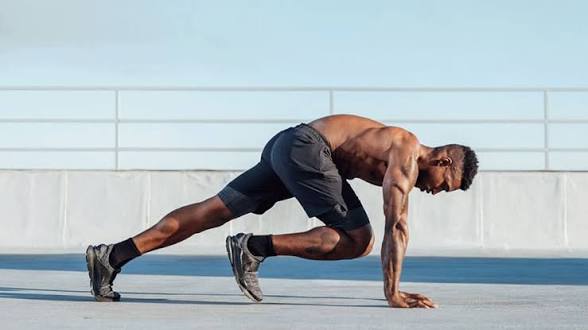
Starting a fitness routine often begins with motivation. People decide they want to feel healthier, build strength, improve endurance, or simply feel more confident in their everyday lives. While consistency and effort are the most important ingredients in any workout plan, the gear you use can also play a meaningful role in how comfortable and confident you feel during training.
Gym apparel and accessories are more than just style choices. They are designed to support movement, improve comfort, and help people stay focused on their workouts. From breathable workout clothing to supportive accessories like lifting straps or resistance bands, the right gear can make a noticeable difference in how people experience exercise.
When individuals feel comfortable and prepared, they are more likely to stay consistent with their fitness routines. Over time, that consistency leads to better results and stronger confidence both inside and outside the gym.
Comfort That Encourages Consistency
One of the biggest challenges people face when starting a fitness routine is maintaining consistency. The first few weeks of any training program can feel physically demanding, and discomfort during workouts can make it harder to stay motivated.
This is where proper gym apparel becomes important.
Workout clothing is typically designed with materials that allow the body to move freely and stay cool during exercise. Breathable fabrics help regulate body temperature and wick moisture away from the skin, reducing discomfort during intense workouts.
For example, someone performing high-intensity interval training might sweat heavily during short bursts of exercise. Clothing made with breathable materials helps keep the body cool and prevents the fabric from becoming heavy or restrictive.
Comfortable apparel also reduces distractions during workouts. If clothing constantly needs adjusting or restricts movement, it becomes harder to focus on the exercise itself.
In many industries, proper equipment improves performance. Construction workers rely on protective gear to work safely and efficiently, and athletes depend on specialized footwear for better traction and stability. Similarly, gym apparel is designed to support movement and enhance the workout experience.
These small improvements in comfort can encourage people to return to the gym regularly, which is one of the most important factors in achieving fitness goals.
Support and Function During Training
In addition to clothing, many gym-goers rely on accessories that support specific exercises. These accessories help improve stability, grip strength, and overall workout performance.
For example, weightlifting belts are commonly used during exercises such as squats and deadlifts. These belts help stabilize the core and support the lower back during heavy lifting.
Resistance bands are another popular accessory. They are flexible bands that provide adjustable resistance during exercises, allowing individuals to train muscles without relying solely on heavy weights.
Athletes and beginners alike use these bands for strength training, mobility work, and rehabilitation exercises.
Another useful accessory is lifting straps. These straps help improve grip strength during exercises such as deadlifts and pull-ups. When grip strength becomes a limiting factor, straps allow athletes to continue targeting the intended muscle groups without dropping the weight.
These tools are widely used in physical fitness training because they enhance both safety and effectiveness.
When individuals feel supported during their workouts, they are more likely to push themselves and progress toward their fitness goals.
Confidence That Extends Beyond the Gym
Confidence plays a surprisingly important role in fitness. When people feel good about their appearance and comfort during workouts, they often approach exercise with a more positive mindset.
Well-designed gym apparel can help create that sense of confidence.
For instance, properly fitting clothing that allows free movement can make individuals feel better prepared for their workouts. Instead of worrying about discomfort or appearance, they can focus on their performance.
This confidence also influences how people interact in gym environments. Many individuals feel intimidated when they first start exercising in public spaces. Wearing comfortable, well-fitting workout gear can help reduce that anxiety and make the environment feel more welcoming.
Confidence also builds through small achievements. Completing a challenging workout, lifting heavier weights, or running longer distances all contribute to a stronger sense of self-belief.
Over time, this mindset carries into other areas of life. The discipline and confidence developed in fitness routines often influence work, relationships, and personal goals.
For people exploring workout clothing and accessories designed to support training routines, resources like KEEPTHATPUMP offer insight into apparel and gear for active lifestyles.
Having access to equipment designed for comfort and performance helps individuals approach their workouts with greater confidence.
Supporting Different Types of Workouts
Fitness routines vary widely from person to person. Some individuals focus on strength training, while others prioritize cardio, mobility, or sports performance.
Gym apparel and accessories are designed to support these different training styles.
For example, someone who practices yoga or Pilates may prefer lightweight, flexible clothing that allows for a wide range of motion. These workouts often involve stretching and balance movements that require unrestricted mobility.
On the other hand, weightlifters may prioritize durable clothing and supportive accessories that can handle heavier loads and intense training sessions.
Cardio enthusiasts, such as runners and cyclists, often seek moisture-wicking fabrics that keep them cool and dry during longer workouts.
Even recreational athletes benefit from specialized gear. Basketball players, for instance, rely on supportive footwear and breathable clothing to maintain comfort during fast-paced games.
The diversity of gym apparel and accessories reflects the wide range of ways people approach fitness. Choosing the right gear for a specific training style can make workouts more enjoyable and effective.
Creating a Positive Fitness Environment
Fitness routines are not just about physical results—they are also about creating a positive environment that encourages growth and well-being.
Gym apparel and accessories contribute to that environment by making workouts feel more comfortable and organized.
For example, gym bags help individuals keep their equipment organized, allowing them to carry essentials such as water bottles, resistance bands, and workout clothing.
Accessories like foam rollers and massage tools also support recovery after intense workouts. These tools help release muscle tension and improve flexibility, which contributes to overall fitness progress.
Recovery is often overlooked but plays a crucial role in building strength and preventing injuries.
By incorporating supportive gear into their routines, individuals create a more balanced approach to fitness that includes both training and recovery.
Building Long-Term Fitness Habits
Ultimately, the goal of any fitness routine is long-term improvement. Achieving this requires consistency, motivation, and a supportive environment.
Gym apparel and accessories may seem like small details, but they can have a meaningful impact on how people approach their workouts.
Comfortable clothing encourages movement. Supportive accessories improve safety and performance. Confidence gained during training motivates individuals to continue pushing toward their goals.
These factors work together to create a positive cycle of motivation and progress.
Fitness is not just about physical transformation—it’s about building habits that support overall health and well-being.
When people feel comfortable, supported, and confident during their workouts, they are far more likely to stay committed to their fitness journeys.
Over time, these small choices—like selecting the right apparel or using supportive accessories—can contribute to a stronger, healthier, and more confident lifestyle.
